Best Catering Rental Essentials for Florida Events
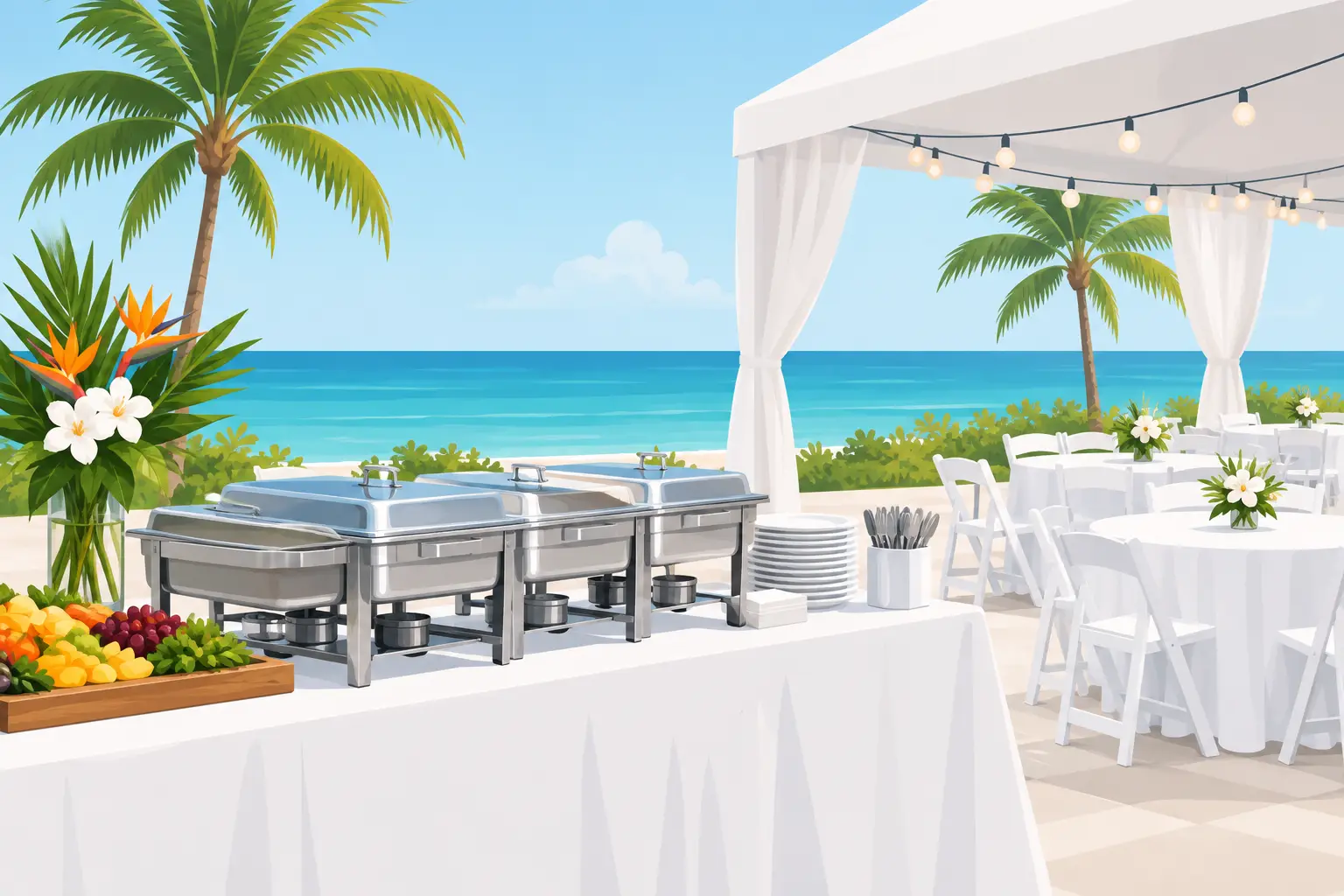
A plated dinner can look polished on the menu and still fall apart at service if there are not enough tables for staging, glasses for water, or serving pieces for the food. The best catering rental essentials are the items that keep guests comfortable, food moving, and cleanup manageable – not simply the items that look good in event photos.
For a backyard reception in New Smyrna Beach, a church luncheon in Edgewater, or a corporate event near Daytona Beach, the right rental plan depends on the menu, guest count, venue, and service style. A buffet for 75 guests needs different equipment than a formal wedding dinner for 200. Starting with how food will be served helps you rent what is useful, avoid unnecessary pieces, and give your catering team room to work.
Start With the Food Service Plan
Before selecting dinnerware or linens, decide whether the event will be buffet-style, plated, family-style, cocktail-style, or a mix. This single decision affects nearly every catering rental choice.
Buffet service usually requires banquet tables for food, linens, chafing dish space, serving utensils, and enough room for guests to form a line without blocking entrances. Plated meals need a stronger focus on guest tables, chairs, place settings, and service access between tables. Cocktail receptions may need fewer seated dining tables, but they often need more cocktail tables, bars, glassware, and small plates.
Also account for the menu itself. A barbecue meal may call for sturdy casual dinnerware and extra beverage stations. A multi-course wedding meal needs coordinated plates, flatware, water glasses, wine glasses, and service pieces. If food needs to stay hot or cold, make that requirement clear early. The catering setup should support safe holding temperatures as well as a clean presentation.
Best Catering Rental Essentials for Guest Tables
Guest tables are the center of most meal service. They affect seating capacity, traffic flow, and the overall look of the event. Round tables encourage conversation and are common for weddings and celebrations. Rectangular banquet tables can be more space-efficient for reunions, church functions, and community meals. For a more formal setup, long farm-style arrangements may fit the look, but they can require more careful planning for centerpieces and serving space.
Choose table sizes based on the number of people you want seated at each table, not just the maximum number that can physically fit. Crowding guests may reduce the number of tables you rent, but it can make dining uncomfortable and leave little room for place settings or shared food.
Chairs should be selected at the same time as tables. Guests will spend more time sitting than standing during a meal, so comfort and stability matter. For outdoor events, take ground conditions into account. Uneven lawns, sand, and soft ground can create issues with seating and table placement. A tent, flooring, or a more level service area may be needed to keep the dining setup secure.
Linens Make the Setup Feel Finished
Linens do more than add color. They cover utility tables, protect surfaces, create consistency across the room, and make a buffet or beverage station look intentional. The correct linen size depends on the table dimensions and the desired drop. Floor-length linens create a formal look, while shorter drops are often practical for casual gatherings and outdoor events.
Reserve extra linens for buffet tables, dessert tables, gift tables, bar stations, and catering prep areas. These supporting tables are easy to overlook because they are not part of the guest seating count, yet they are highly visible during the event.
Dinnerware, Flatware, and Glassware Counts
A reliable count starts with the guest list, then adds a realistic buffer. Breakage, dropped pieces, unexpected guests, and second beverages happen. For casual events using disposable goods, the backup requirement may be modest. For rented china, flatware, and glassware, planning extra pieces protects the service from small problems becoming visible ones.
A standard plated meal often includes a dinner plate, salad or appetizer plate, fork, knife, spoon as needed, water glass, and beverage glass. The exact count changes with the menu. Soup needs bowls and soup spoons. Cake needs dessert plates and forks. A coffee service needs cups, saucers if desired, stirrers, and space for cream and sugar.
Glassware deserves special attention. Water service, tea, soda, beer, wine, champagne, and signature cocktails can each require different glass types. It is not always necessary to rent every option. A business luncheon may only need water and iced tea glasses, while a wedding reception with a full bar could require water glasses, wine glasses, champagne flutes, beer glasses, and cocktail glassware.
Renting a coordinated collection creates a cleaner table than mixing household items. It also saves hosts from collecting, washing, and transporting dozens of fragile pieces before and after the event.
Build a Buffet That Moves Smoothly
The buffet line is where a well-planned event can either feel efficient or become congested. Give guests a clear starting point, enough space between dishes, and a logical order. Plates typically come first, followed by main dishes, sides, bread, and condiments. Beverages are often best placed on a separate station so guests are not holding up the food line while filling glasses.
A complete buffet setup commonly includes these distinct rental needs:
- Banquet tables sized for the menu and serving equipment
- Linens for every food, drink, dessert, and prep table
- Chafing dishes or other food-holding equipment when hot food is served
- Serving utensils, platters, bowls, and trays matched to the menu
- Trash receptacles and crowd-control solutions when serving large groups
Leave working space behind the buffet for caterers, volunteers, or family members who need to replenish food. A buffet pushed against a wall may save room, but it can make refilling difficult. For larger events, duplicate stations can shorten lines and keep guests from waiting too long.
Do Not Forget Beverage Service and Bars
Beverages create more traffic than many hosts expect. Guests visit water stations throughout the event, and a bar can quickly become a gathering point. Plan beverage service as its own area rather than an afterthought at the end of the buffet.
A bar rental can provide a defined, professional serving space for weddings, fundraisers, and company events. Add tables for mixers, ice, cups or glassware, garnishes, and nonalcoholic options. For family events, a simple beverage table with dispensers and an ice setup may be enough. The right choice depends on the menu, the number of guests, and whether trained bartenders will be serving.
Coffee and dessert deserve space, too. When these are placed away from the main buffet, guests can return for sweets or coffee without disrupting dinner service.
Plan for the Venue, Weather, and Cleanup
Central Florida events often require a weather plan even when the forecast looks favorable. Tents can protect guests and food service from sun or rain, while lighting helps evening service continue safely. If the caterer is working outdoors, they may need covered prep space, access to power, and a route that lets them move food without crossing guest traffic.
For beachside, backyard, or park events, think through delivery access and setup timing. A beautiful location is not automatically easy for catering equipment. Narrow gates, stairs, soft ground, limited parking, and long carrying distances can affect the setup plan. Sharing those details before delivery helps prevent day-of surprises.
Cleanup needs should be planned before the first guest arrives. Provide clearly placed trash receptacles, designate an area for used dishes and glassware, and confirm who is responsible for packing rentals after the event. A full-service rental partner can help coordinate delivery, pickup, and the equipment needed to keep the event area organized.
Rent for the Event You Are Actually Hosting
The goal is not to rent the largest inventory possible. It is to build a setup that fits the way your guests will eat, drink, gather, and move through the space. A casual birthday may need practical tables, chairs, linens, and beverage service. A wedding may need coordinated place settings, bars, lighting, tents, and a carefully designed dinner layout. A nonprofit dinner may prioritize efficient buffet equipment, staging, and enough seating for a larger crowd.
Paradise Event Rentals can help Central Florida hosts bring those pieces together from one practical rental source, including tables, chairs, linens, dinnerware, flatware, glassware, tents, bars, lighting, and more. When plans change or guest counts move, working with a local team that understands event logistics makes adjustments easier.
Start with the meal, walk through the guest experience from arrival to dessert, and reserve enough support equipment for the people serving behind the scenes. That preparation gives guests a comfortable experience and gives you more time to enjoy the event you worked hard to host.