Nonprofit Gala Rentals That Keep Events Running
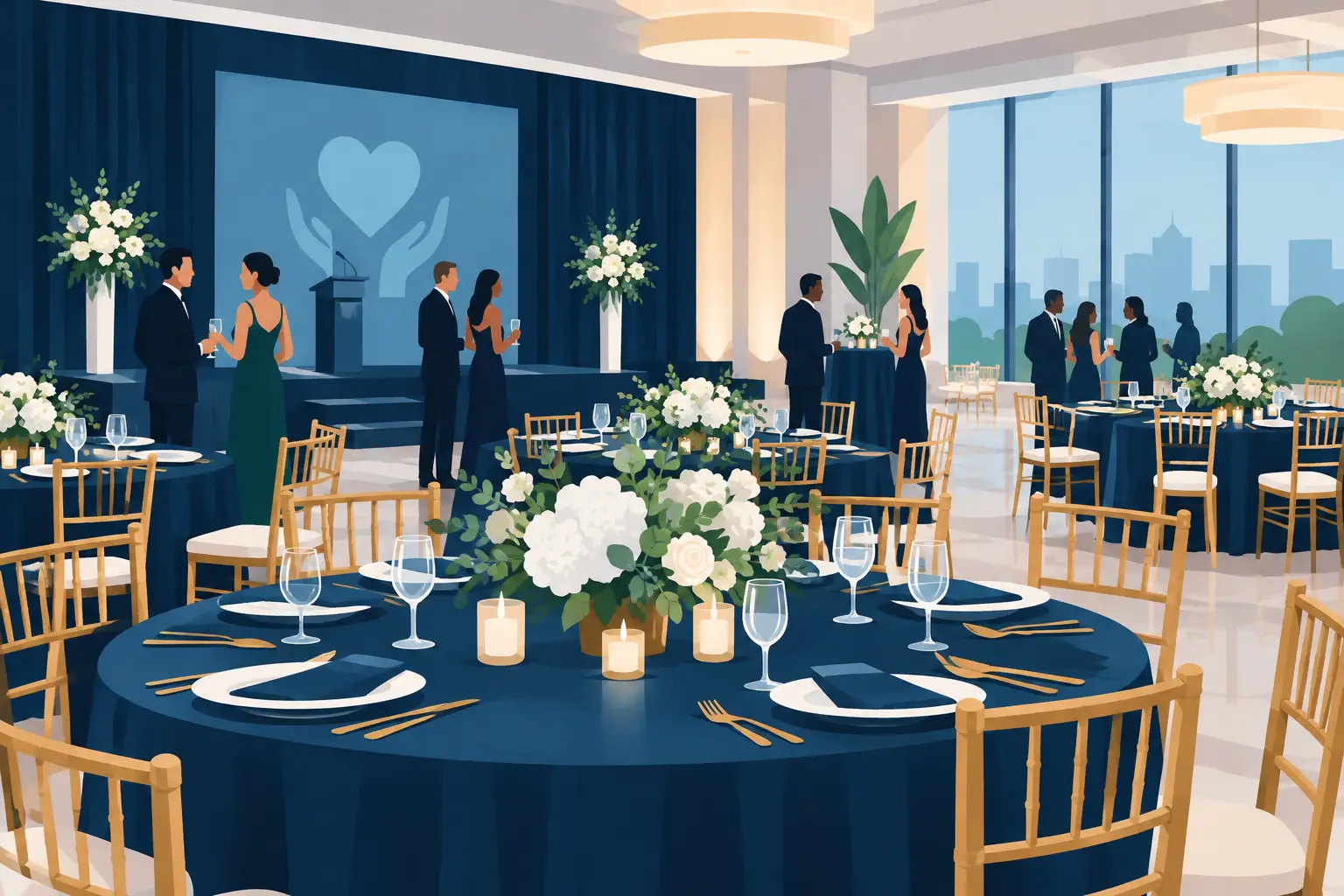
A gala can look effortless to guests while requiring dozens of practical decisions behind the scenes. The right nonprofit gala rentals give your committee the infrastructure to welcome donors, serve a meal, present your mission, and keep the evening moving without asking volunteers to improvise on event day.
For organizations in New Smyrna Beach, Edgewater, Oak Hill, Port Orange, and Daytona Beach, the best rental plan starts with the guest experience, then works backward to logistics. How will guests arrive? Where will they check in? Can they hear the program? What happens if the Florida weather changes? Those answers determine far more than the color of the linens.
Start with the flow of the evening
Before selecting tables or centerpieces, map the major moments of your gala: arrival, registration, cocktail hour, dinner, program, auction or paddle raise, and departure. Every moment needs a place, a path, and enough equipment to support it.
A seated dinner for 150 guests, for example, may require dining tables and chairs, specialty tables for registration and auction items, a bar setup, serving equipment, staging, audio equipment, and a dance floor. If the event is outdoors, it may also need a tent, lighting, fans, sidewalls, or flooring. A smaller cocktail-style fundraiser may use fewer dining tables but need more high-top tables, lounge seating, and room around the bar.
This approach prevents a common planning problem: renting individual items without considering how people will move through the space. A beautiful room can still feel crowded if the check-in table blocks the entrance, the bar creates a line through the seating area, or the auction display is tucked where no one sees it.
Build around your revenue moments
The fundraising portion of the evening deserves the clearest sightlines and the strongest technical support. Guests should be able to see the speaker, auctioneer, screen, or presentation from their seats. A low stage can improve visibility, while a podium, microphone, speaker system, and proper lighting help presenters stay clear and confident.
It depends on the room and the size of your audience. A small indoor reception may only need a microphone and speaker. A larger ballroom, pavilion, or outdoor tented event often needs staging, additional audio support, and lighting that keeps the focus on the program without leaving guests in the dark during dinner.
The nonprofit gala rentals that do the heavy lifting
Not every gala needs every rental category, but most successful events rely on a core group of pieces working together.
Tents and weather coverage matter for outdoor fundraisers, especially in Central Florida. A tent can create a defined event space, provide shade, and give guests a more comfortable place to dine or socialize. Sidewalls, lighting, fans, and tent-friendly flooring may be worthwhile additions depending on the season, location, and event hours. A tent is not just a rain backup. It can be the structure that turns an open lawn into a gala venue.
Tables, chairs, and linens set the capacity and visual tone. Round tables encourage conversation at a seated dinner, while rectangular banquet tables can work well for sponsor displays, silent auction packages, buffet service, or registration. Linens bring the layout together and can reflect your organization’s colors without requiring an expensive room transformation. Comfortable, consistent seating is especially important when guests will be listening to a program or participating in a live auction.
Bars and beverage service help create a welcoming cocktail hour and keep service organized. Consider the number of guests, the menu, and whether you are offering beer and wine, a full bar, or nonalcoholic drinks. One bar may work for a smaller gathering, but a larger attendance count can create long lines that take guests away from networking and auction browsing.
Dinnerware, flatware, glassware, and catering supplies are easy to overlook until the caterer asks what is being provided. Matching place settings make a fundraiser feel polished, while practical catering equipment supports buffet service, coffee stations, dessert displays, and back-of-house organization. Confirm responsibilities early so your caterer, venue, and rental provider are all working from the same plan.
Pipe and drape, staging, lighting, and audio-video equipment help shape spaces that do not naturally feel like an event venue. Pipe and drape can define a registration area, hide storage zones, frame a sponsor wall, or create a more finished backdrop. Lighting can make a tent, community hall, or outdoor patio feel intentional after sunset. These are functional pieces, but they also influence how guests remember the event.
Match your rental plan to the venue
Venue restrictions should be part of the first rental conversation, not a detail saved for the final week. Ask about load-in access, setup windows, ceiling height, power availability, outdoor surface conditions, parking, noise limits, and whether tents or open flames require approval.
A beachside or backyard venue may need more temporary infrastructure than a hotel ballroom. On the other hand, a ballroom may have enough tables and chairs but lack the staging, specialty linens, or display pieces needed for your program. Renting only what the venue does not provide can control costs, but verify the condition, style, and quantity of venue-owned equipment before relying on it.
Weather planning is particularly important for outdoor galas. Consider what happens in heat, wind, light rain, or a sudden change in temperature. A reliable backup plan should be clear to your venue, committee, vendors, and guests. That may mean adding tent coverage, securing an indoor alternative, or adjusting the event layout so critical areas such as registration, food service, and the program remain protected.
Create a realistic budget without cutting the wrong things
Rental costs should support the guest experience and the fundraising goal, not compete with it. Start with items that affect safety, capacity, weather protection, food service, and the ability to hear and see the program. Then add elements that improve atmosphere, such as upgraded linens, décor lighting, or specialty furniture.
It can be tempting to save money by reducing chairs, skipping lighting, or using a borrowed sound system. Those choices can cost more in guest comfort and program quality. If the budget is tight, simplify decorative choices before compromising seating, shelter, accessible walkways, or clear audio.
A practical quote should also account for delivery, setup needs, pickup timing, and any changes that may be necessary as attendance develops. Ask how additions are handled if ticket sales exceed expectations, and confirm the final count date. Flexible support matters because gala planning rarely stays perfectly still.
Do not forget accessibility and volunteer needs
An inclusive event plan considers more than the guest count. Leave room for mobility devices, avoid blocking paths with displays, and make sure registration, dining, restrooms, and the program area are accessible. If there are stairs to the stage, consider how speakers with different mobility needs will participate.
Volunteers also need workable stations. A registration table needs adequate space for name tags, payment devices, signage, and lines. Auction volunteers need tables and room to organize packages. The catering team needs a service path that does not cross the guest entrance. Small operational details keep volunteers focused on donors rather than solving preventable problems.
Give yourself one dependable rental partner
Working with several vendors can be necessary for specialized services, but sourcing core event equipment from one local provider reduces handoffs. It simplifies delivery coordination, makes it easier to adjust quantities, and gives your planning team one point of contact for tents, tables, chairs, dining supplies, staging, lighting, and more.
Paradise Event Rentals supports Central Florida organizations with complete rental solutions, responsive coordination, and delivery and pickup options seven days a week. For a nonprofit committee balancing sponsors, ticket sales, volunteers, and program details, dependable local service can take a meaningful amount of pressure off event week.
Place your rental request early for the best selection, especially during busy wedding, holiday, and spring event seasons. Then revisit your layout and guest count before finalizing. A well-planned gala does more than look polished. It gives every guest a comfortable reason to stay, engage with your mission, and raise a paddle when it matters most.