Table Shapes That Make Event Layouts Work
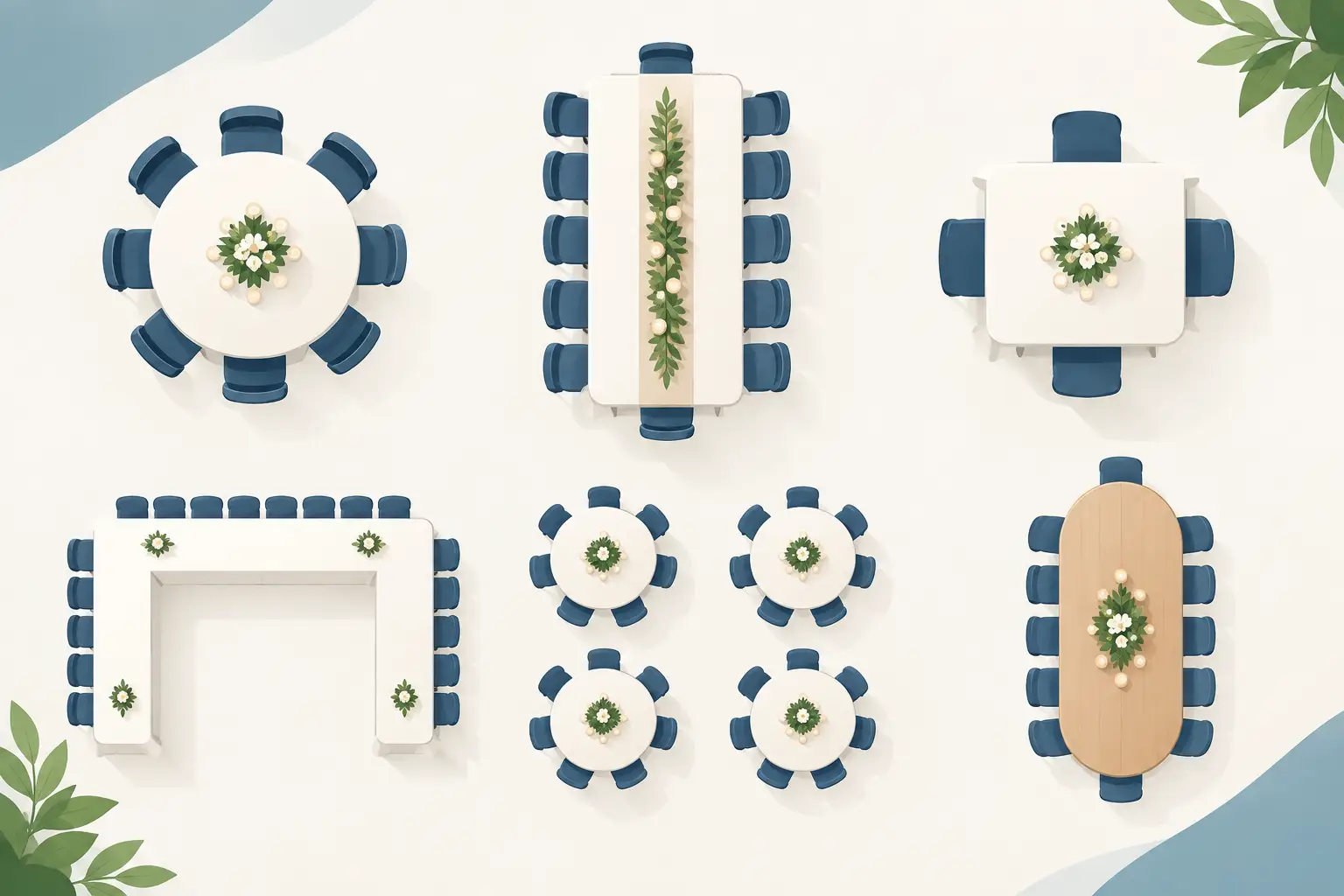
A room can have beautiful linens, great food, and the right number of chairs, yet still feel crowded or disconnected if the tables are wrong. Table shapes affect how guests talk, how servers move, where gifts and centerpieces fit, and whether the event feels relaxed or tightly packed. Choosing the right table shapes early makes the rest of the floor plan much easier to organize.
For a backyard celebration in New Smyrna Beach, a wedding reception in Port Orange, or a business function in Daytona Beach, the best choice depends on guest count, venue dimensions, meal service, and the atmosphere you want to create. There is no single shape that works for every event. The practical goal is to match the table to the job it needs to do.
How Table Shapes Affect Your Event
Tables take up more usable space than most hosts expect. A tabletop may seem compact on paper, but chairs, guests, service paths, buffet access, and space between groups all need to be included in the plan. A layout that looks efficient can become uncomfortable once everyone is seated.
Round tables generally encourage conversation because everyone faces toward the center. Rectangular tables often use space more efficiently and can create a more structured look. Square and specialty tables can add visual interest, but they may require more careful planning to avoid wasted space or awkward gaps.
The shape also affects the mood. A formal plated dinner often benefits from a different setup than an open-house retirement party or church luncheon. Before selecting quantities, think about how guests will arrive, eat, visit, and leave. Those moments determine whether a layout works in real life.
Common Table Shapes for Events
Round tables for conversation and celebrations
Round tables are a familiar choice for weddings, anniversaries, galas, and seated dinners. They give every guest a clear view of the group at their table, which helps conversation feel natural. They also soften a room full of straight lines and work especially well with traditional centerpieces.
A 60-inch round is commonly used for eight guests, while a 72-inch round can seat more when the venue has enough room. Capacity is only one part of the decision. Seating a table at its maximum may save floor space, but guests can feel cramped if place settings, chargers, glassware, and family-style food are involved.
Round tables need clearance around the full perimeter. They are often a great fit in ballrooms, community halls, and tented wedding receptions where guests will remain seated for a meal. For narrow rooms or small patios, however, rounds can leave unused pockets of floor space.
Rectangular tables for flexibility and efficient layouts
Rectangular banquet tables are among the most adaptable rental items for any event. They can serve as guest seating, buffet lines, gift tables, registration stations, dessert displays, vendor check-in tables, and head tables. Their straight edges let them sit neatly against walls, connect end to end, or form long family-style rows.
For casual gatherings, rectangular tables create an easy, welcoming setup. Long rows work well for reunions, church dinners, graduation parties, and outdoor celebrations. At a wedding, farmhouse-style rows can create a more connected feel than separate round tables, especially when the guest list includes close family and friends who already know one another.
The trade-off is conversation. Guests seated at the far ends of a long table may not interact much, and centerpieces need to stay low enough that people can see across the table. Rectangular tables also need thoughtful chair placement at the ends, particularly when space is limited.
Square tables for smaller groups
Square tables offer a clean, balanced look and are useful for seating four to eight people, depending on their size. They are often a good choice for intimate dinners, lounge areas, vendor displays, or events with small groups who should sit together.
Because squares can be arranged in grids, they can make a room feel organized and intentional. They also pair well with rectangular tables when an event needs a mix of guest seating and service stations. Still, square tables do not always use irregular rooms as effectively as rectangles, so measure carefully before committing to a full layout.
Cocktail tables for standing events
Cocktail tables are designed for guests who will be mingling rather than sitting through a full meal. They are a smart addition to cocktail hours, networking events, open houses, fundraisers, and reception areas. Their smaller footprint gives people a place to set a drink or appetizer plate without filling the room with chairs.
For a social event, cocktail tables can reduce crowding around the bar and encourage guests to spread out. A mix of standing-height tables and a few seated options works well for guests who need a break or have limited mobility. If food is substantial, cocktail tables should support, not replace, adequate dining seating.
Specialty shapes for focal points and flow
Serpentine tables, half-rounds, and curved configurations can help define an event space. They are useful for buffet presentations, dessert displays, trade show setups, and dramatic focal areas. Curved tables can guide guests through a tent or large room without adding barriers that interrupt the flow.
These shapes make a stronger visual statement, but they require a plan. Linens, spacing, and access for serving equipment all matter. Specialty tables work best when they solve a specific layout problem or create a meaningful focal point, rather than being added simply because they look different.
Choose Tables Based on Service Style
The meal service is one of the fastest ways to narrow your options. For a plated dinner, allow enough room for place settings, glassware, serving staff, and clear aisles between tables. Round tables are often a comfortable choice because servers can reach guests from multiple sides.
For buffet service, rectangular tables are usually the practical option for food stations. They provide long, continuous serving surfaces and can be arranged to keep the line moving. Guest tables should be placed far enough away that people waiting for food do not block seated guests or major walkways.
For family-style dining, wider tables are helpful because platters and shared dishes need space in the center. For a grazing table, dessert station, or catered display, rectangles and specialty curves give caterers room to create an attractive presentation while keeping food accessible.
Plan for Space Beyond the Tabletop
A successful floor plan accounts for the space around each table, not just the table dimensions. Guests need room to pull out chairs. Servers need access to clear plates. Guests using wheelchairs, walkers, or strollers need clear routes. If there is a dance floor, bar, stage, or buffet, the paths to those areas should stay open throughout the event.
Outdoor events need another layer of planning. Under a tent, tent poles, sidewalls, lighting, and dance floor placement may affect where tables can go. In Central Florida, it is also wise to think about shade, rain protection, and how guests will move between covered areas. A tent layout should feel comfortable even if everyone needs to step inside during a passing shower.
Do not forget the working areas behind the scenes. Caterers may need prep space, a beverage station, or room for bussing. DJs and speakers need room for equipment. A registration or welcome table should be visible without creating a bottleneck at the entrance.
Match the Layout to the Guest Experience
If your priority is conversation, use rounds or smaller groupings. If you want a communal, casual meal, long rectangular rows may be the better fit. For a corporate event, combine banquet tables for registration and food service with cocktail tables for networking. A wedding often benefits from a mix: guest tables, a head or sweetheart table, cake and gift tables, and a bar setup that keeps traffic away from the dance floor.
It also helps to consider who will be attending. Older guests may appreciate chairs with comfortable access and tables that are not packed too tightly. Families with children may need room for high chairs or strollers. For community events, flexible rectangular seating can make it easier to adjust when attendance changes.
Paradise Event Rentals can help match table sizes, chairs, linens, tents, and service pieces to the layout you have in mind, whether the event is a small backyard party or a larger organized gathering. Sharing your guest count, venue measurements, and service style early gives the rental plan a stronger starting point.
Before finalizing your order, picture the event from a guest’s point of view: where they enter, where they sit, how they reach food and drinks, and where they gather once the formal part of the event is over. The right table shape is the one that makes those movements feel easy while giving everyone room to enjoy the occasion.