Portable Stage Rental for Events Made Simple
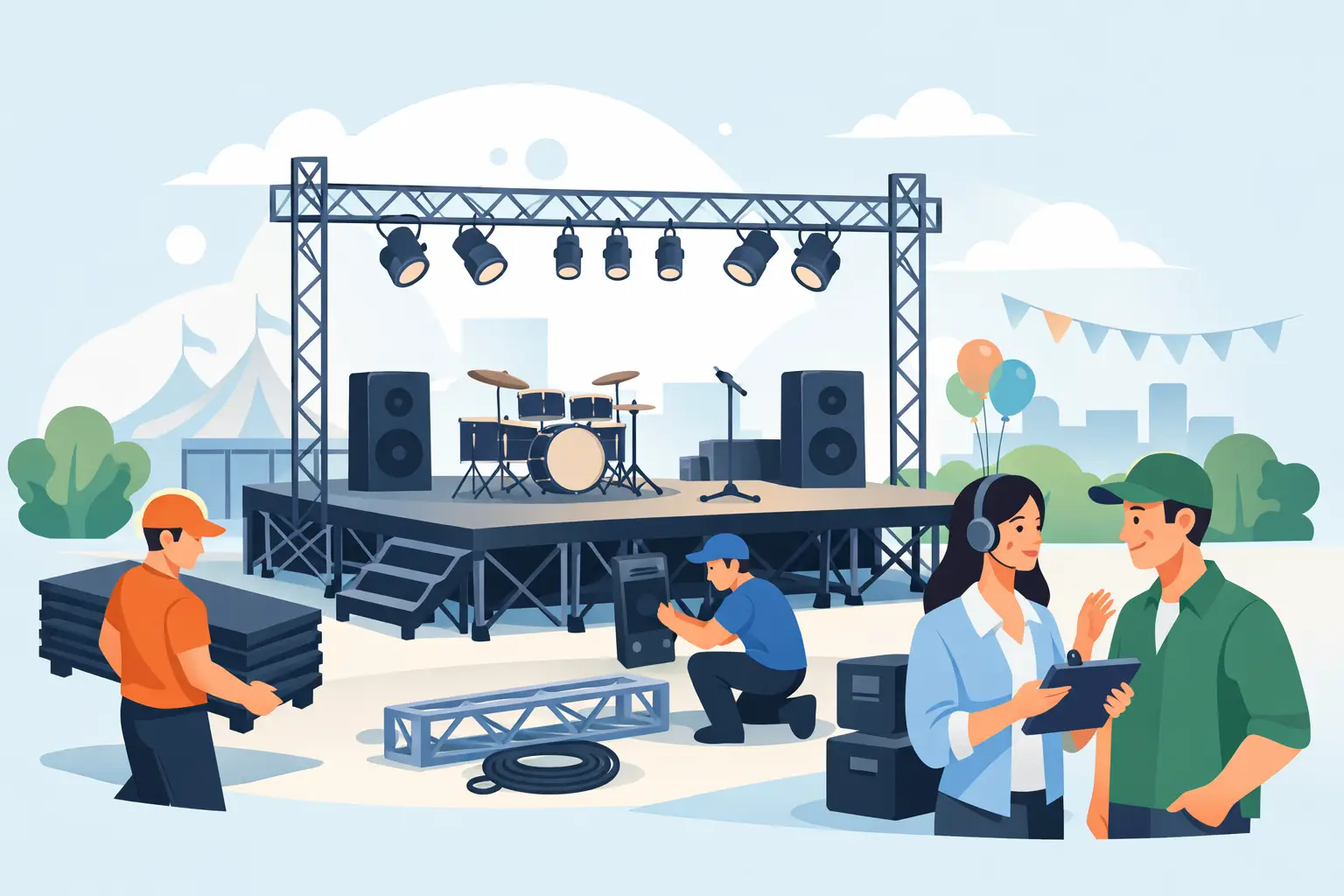
When the speaker cannot be seen, the band is cramped into a corner, or the head table disappears into the crowd, the event starts to feel harder than it should. Portable stage rental for events solves a practical problem fast – it gives people a clear focal point, improves visibility, and helps the schedule run with fewer awkward workarounds.
That matters for more than concerts. A portable stage can make a wedding toast easier to hear, help a church service feel more organized, give a school ceremony the structure it needs, or create a clean presentation area for a corporate gathering. In Central Florida, where venues range from banquet halls to church campuses to open-air properties, flexible staging is often one of the smartest rentals in the plan.
Why portable stage rental for events matters
A stage changes how an event functions. Guests know where to look. Speakers and performers have a defined space. Photographers get cleaner sightlines. Event staff can organize timing more easily because key moments happen in one visible area.
It also adds a level of professionalism that people notice right away. Even a simple riser setup can make a fundraiser, anniversary party, or awards program feel more intentional. For weddings, staging can support a sweetheart table, a live band, or the ceremony itself when the guest count and layout demand better visibility.
Of course, bigger is not always better. A stage that is too high or too large can overpower a smaller room. A modest setup often works best when the goal is to elevate the moment without making the space feel crowded. That is where planning around the event type, guest count, and venue footprint really matters.
Choosing the right portable stage rental for events
The right stage depends on what is happening on top of it. A solo speaker has very different needs than a five-piece band. A graduation setup is different from a wedding ceremony platform. Before choosing size or height, it helps to think through how the stage will actually be used during the event.
Match the stage to the purpose
For speeches, presentations, and ceremonies, the main priority is visibility. You want guests in the middle and back rows to see the speaker comfortably. In these cases, a clean rectangular stage with enough room for a podium or a few chairs often does the job.
For musical performances, you need to account for more than people. Instruments, speakers, mic stands, and movement all take space. If the group is larger, the stage needs to support both performance and safety. Crowding musicians onto a platform that is too small creates a poor experience for the audience and the performers.
For weddings and social events, staging may be more about creating a focal point than producing a show. A ceremony platform, head table riser, or band stage can define the layout and help guests engage with important moments without constantly adjusting chairs or standing to see.
Think about height and sightlines
Stage height should fit the room and the audience setup. In a flat outdoor area with rows of chairs, a higher platform may improve visibility. In a smaller indoor venue, a lower stage can feel more natural and less imposing.
This is one of those details that depends on the crowd. If most guests are seated at round tables, sightlines are different than they would be for theater-style rows. Ceiling height matters too. So does the visual balance of the room. A stage should improve the layout, not fight it.
Consider the surface and location
Outdoor events need extra attention. Grass, pavers, and uneven ground can affect staging installation. Weather is another factor, especially in Florida, where sunshine in the morning can turn into wind or rain by afternoon. If the event is outside, staging should be planned along with tenting, lighting, sound, and guest flow.
Indoor spaces bring their own considerations. Entry access, floor protection, room dimensions, and existing venue rules all shape what works. Portable staging is designed to be flexible, but the setup still needs to fit the site.
Where staging makes the biggest difference
Some events clearly need a stage. Others benefit from one more than people expect.
Weddings are a common example. A band or DJ setup often needs a defined area to keep cables, equipment, and performers organized. Ceremony staging can help guests see vows and readings more clearly, especially for larger outdoor weddings.
Churches and nonprofit organizations often use portable staging for services, holiday programs, community outreach events, and fundraising dinners. The advantage here is flexibility. A temporary stage can be installed when needed without requiring a permanent platform.
Schools and civic groups also benefit from staging for graduations, recognition events, performances, and public speaking programs. In these settings, clear visibility and crowd direction are just as important as appearance.
Corporate events are another strong fit. Whether the plan includes a keynote speaker, product presentation, employee awards, or panel discussion, a stage helps define the agenda and gives the event a more polished structure. It also pairs naturally with pipe and drape, AV equipment, and lighting for a more complete setup.
What to plan along with the stage
A stage rarely works as a stand-alone rental. It is usually part of a larger event layout, and the surrounding elements affect how successful it will be.
Audio is the first thing to think about. If guests cannot hear what is happening on stage, the platform only solves half the problem. Microphones, speakers, and basic sound support should match the audience size and the purpose of the event.
Lighting also matters, particularly for evening events, indoor presentations, or weddings where photography is a priority. Even simple stage lighting can make a noticeable difference in visibility and atmosphere.
Skirting, stairs, and railings may also be appropriate depending on the stage height and event style. A formal banquet may call for a more finished look. A public event or school function may need additional safety considerations. These are not decorative extras in every case – sometimes they are essential for access and comfort.
Then there is the broader footprint. A stage affects where seating goes, how guests move through the space, and where vendors need access. If the event also includes tents, dance floors, bars, catering tables, or crowd control equipment, those pieces should be planned together rather than one at a time.
Why local support makes a difference
Portable staging is not just about equipment. It is also about timing, delivery, setup coordination, and knowing how to adapt when plans change. That is especially true for weddings, church events, and public gatherings where schedules are tight and there is not much room for error.
Working with a local rental partner helps because site conditions, venue expectations, and weather patterns are familiar territory. A provider serving areas like New Smyrna Beach, Edgewater, Oak Hill, Port Orange, and Daytona Beach is more likely to understand the practical details that affect delivery windows, setup timing, and event-day logistics.
That local responsiveness matters even more when changes happen late. Guest counts shift. Layouts change. A speaker lineup grows. The event moves from outdoors to under a tent. Good staging support is not just about dropping off parts. It is about helping the setup still make sense when real-life planning gets messy.
A simpler way to make the right call
If you are not sure whether your event needs a stage, start with one question: does everyone need to clearly see a person, performance, or focal point? If the answer is yes, staging is probably worth considering.
From there, the best decision usually comes down to scale. Choose a stage that fits the space, supports the activity, and works with the rest of the event setup. Keep safety, sightlines, and access in mind. And when the event includes multiple rentals, it helps to work with one provider that can coordinate the bigger picture. Paradise Event Rentals supports that kind of planning every day, whether the setup is simple or more involved.
A well-placed stage does not need to be flashy to do its job. It just needs to make the event easier to see, easier to hear, and easier to run.