A Corporate Event Setup Example That Works
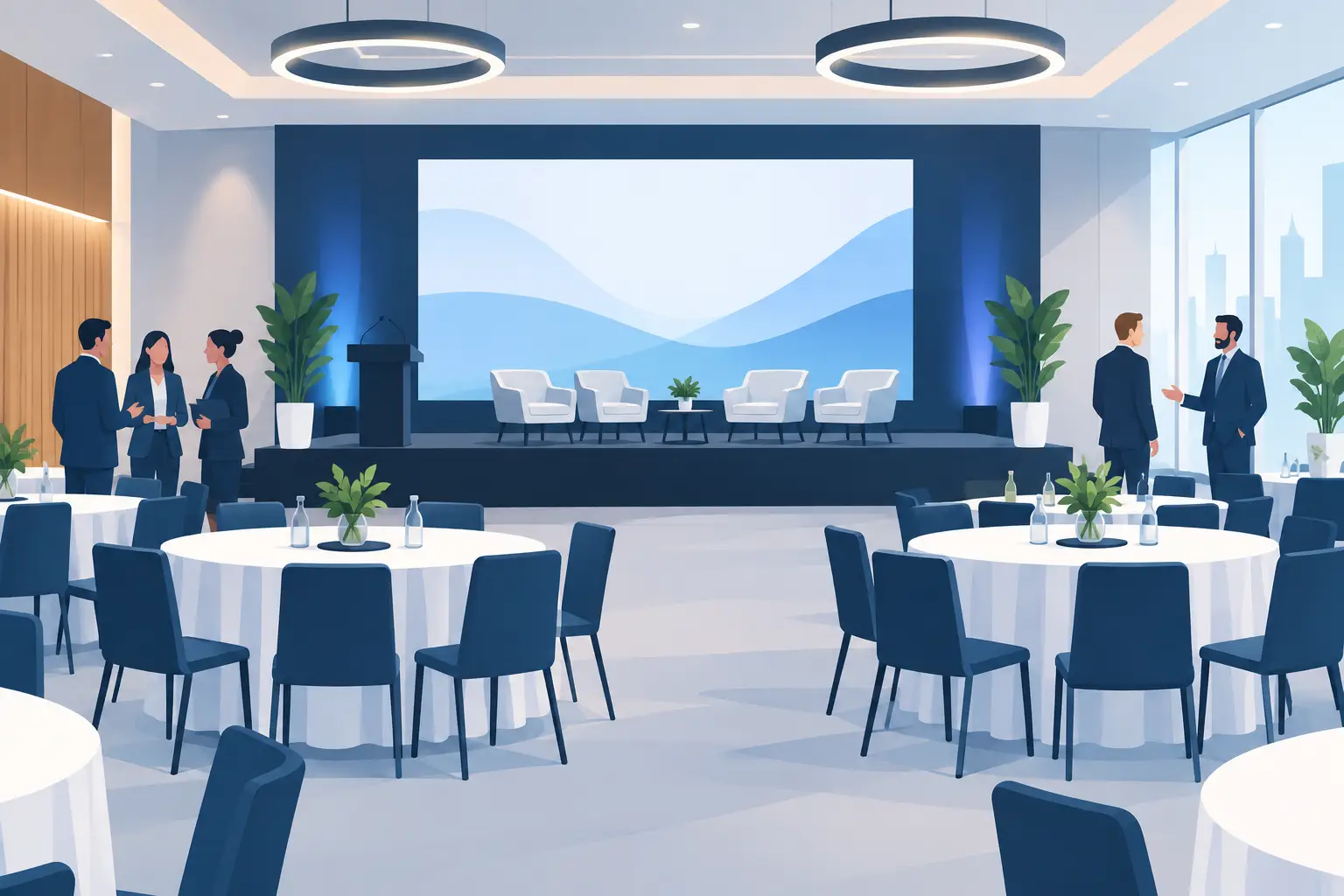
A good corporate event setup example starts with what guests will actually experience: where they park, how they enter, where they sit, what they can hear, and how easily they move from one part of the event to the next. For a company gathering, those details affect more than appearance. They influence attendance, comfort, timing, and whether your organization looks prepared.
Consider this practical example: a 150-person employee appreciation and client reception in Central Florida. The event includes a short presentation, catered dinner, recognition awards, and informal networking. It is held at a company property, community venue, or outdoor location where temporary event infrastructure is needed.
Corporate Event Setup Example for 150 Guests
The strongest layout separates the event into clear zones without making guests feel boxed in. For this example, guests arrive through a defined entrance area with directional signage and a welcome table. From there, they move into a reception space with high-top tables before dinner and the presentation begin.
The main seating area uses 15 round tables seating 10 guests each. Rounds are a practical choice for awards dinners and networking events because they allow conversation while keeping sightlines toward the stage. Leave enough aisle space for servers, guests using mobility devices, and staff managing the program.
At the front of the room or tent, place a low stage with a podium, microphone, speaker system, and presentation screen. The stage should be visible from every table, but it does not need to dominate the room. For a recognition program, a wider stage is often more useful than a deep one because award recipients can step up, receive recognition, and exit without congestion.
The catering area should sit off to one side or toward the rear, depending on whether dinner is plated, buffet-style, or station-based. A buffet needs room for lines on both sides of the tables. If the menu includes beverages, create a separate bar or drink station so guests are not waiting behind dinner service just to get water or a soft drink.
Sample Rental Plan
For this 150-guest corporate event, the rental order may include:
- 15 round guest tables, 150 banquet chairs, linens, napkins, dinnerware, flatware, and glassware
- A stage, podium, wireless microphone, speakers, and a projection screen for the program
- Six to eight high-top tables for the reception area, along with bar stools if seated cocktail service is planned
- Buffet tables, food service equipment, beverage tables, a portable bar, and trash receptacles
- Pipe and drape, uplighting, crowd-control stanchions, and signage stands to define key areas
The exact quantities depend on the venue, menu, and agenda. A seated dinner with a formal awards presentation needs a different mix of equipment than a come-and-go open house, even if both events have the same guest count.
Start With the Event Schedule, Not the Equipment
It is tempting to choose tables and chairs first, but the agenda should drive the setup. If guests arrive at 5:30 p.m., dinner starts at 6:30 p.m., and awards begin at 7:30 p.m., the room needs to support all three phases without a major reset.
In this example, the reception area gives early arrivals something to do while the full group gathers. Once dinner begins, guests move naturally to their assigned tables. The presentation follows without relocating chairs, moving buffet lines, or asking people to crowd around a small speaking area.
That is why a stage, sound system, and lighting plan should be considered early. A speaker who cannot be heard, a screen blocked by a centerpiece, or a dark awards area can make a well-planned event feel disorganized. For a short speech to 30 people, simple audio may be enough. For a 150-person event with music, announcements, and video, professional audio-visual equipment becomes a practical need.
Plan for Guest Flow
Guest flow is one of the most overlooked parts of corporate event planning. People should know where to enter, check in, get a drink, find a seat, and locate restrooms without repeatedly asking staff for directions.
Place registration near the entrance, but do not let the check-in line block the doorway. Position the bar and reception tables far enough from registration that arriving guests can step aside after checking in. Keep catering traffic separate from the path to the stage whenever possible.
For an outdoor event, guest flow also includes the walk from parking to the tent or main event space. Temporary walkways, tent sidewalls, lighting, and clear signs can make a major difference after sunset or during unpredictable Florida weather. If there is even a modest chance of rain, plan where guests will stand before entering and how service staff will protect food and equipment.
Outdoor Corporate Setup: What Changes
Many Central Florida businesses choose outdoor spaces for employee events, grand openings, fundraisers, and customer appreciation gatherings. An outdoor venue can feel relaxed and welcoming, but it requires more planning than a hotel ballroom.
For the same 150-person example, a frame tent creates a defined event footprint and provides coverage from sun or rain. Sidewalls can be added if wind or evening weather is a concern. Tent size depends on whether it covers only dining tables or also includes the reception area, buffet, stage, and bar.
Do not assume every open lawn is ready for a tent. Access for delivery vehicles, overhead branches, irrigation lines, ground conditions, and available power all matter. If the program includes amplified sound, confirm local venue rules and consider where speakers will face so music and announcements are clear without disturbing neighboring businesses or residences.
Lighting deserves special attention outdoors. Bistro lighting can create an inviting atmosphere over dining or lounge areas, while practical lighting is needed at entrances, restrooms, walkways, buffet lines, and parking transitions. Decorative lighting supports the look of the event, but safety lighting supports the event itself.
Make the Setup Look Like Your Company
Corporate does not have to mean plain. A clean, coordinated setup can reflect your organization without turning every surface into advertising. Use company colors in linens, uplighting, napkins, or pipe and drape. Add a branded backdrop near the entrance or stage for photos, but keep it away from busy service areas.
For a professional look, consistency matters more than expensive décor. Matching linens, properly spaced tables, a tidy bar, and a clear stage area make the event feel intentional. If the event is for a nonprofit, church, or community partner, the same principle applies: use the setup to support the purpose of the gathering rather than competing with it.
There are trade-offs. Dark linens and dramatic lighting can create an upscale evening feel, but they may make printed materials harder to read. High-top tables encourage mingling, but they are not ideal as the only seating option for an older audience or a longer program. A large stage adds visibility, but it takes up floor space that may be better used for guests or food service.
Build in Time for Setup and Changes
A corporate event runs better when setup is complete before vendors, caterers, speakers, and guests begin arriving. For this example, the tent, tables, chairs, stage, and major equipment should be installed well ahead of the event. Then linens, place settings, signage, audio checks, and catering can be completed in an organized order.
Assign one company contact who can make decisions on site. That person should know the final headcount, event schedule, seating plan, vendor contacts, and where extra supplies are stored. Keeping a small reserve of chairs, linens, and place settings is wise when attendance may increase or a VIP table is added at the last minute.
Paradise Event Rentals helps Central Florida organizations coordinate these moving parts with complete rental solutions, delivery, setup support, and pickup options that fit the event plan. Working with one rental partner for seating, tents, staging, dining supplies, lighting, and crowd control can reduce the number of delivery schedules your team has to manage.
A successful setup should make guests feel welcomed before the first announcement begins. When the entrance is clear, the seating is comfortable, the program is easy to follow, and the weather plan is already handled, your team can spend the event connecting with people instead of solving preventable problems.