Event Staging Rentals for Better Event Flow
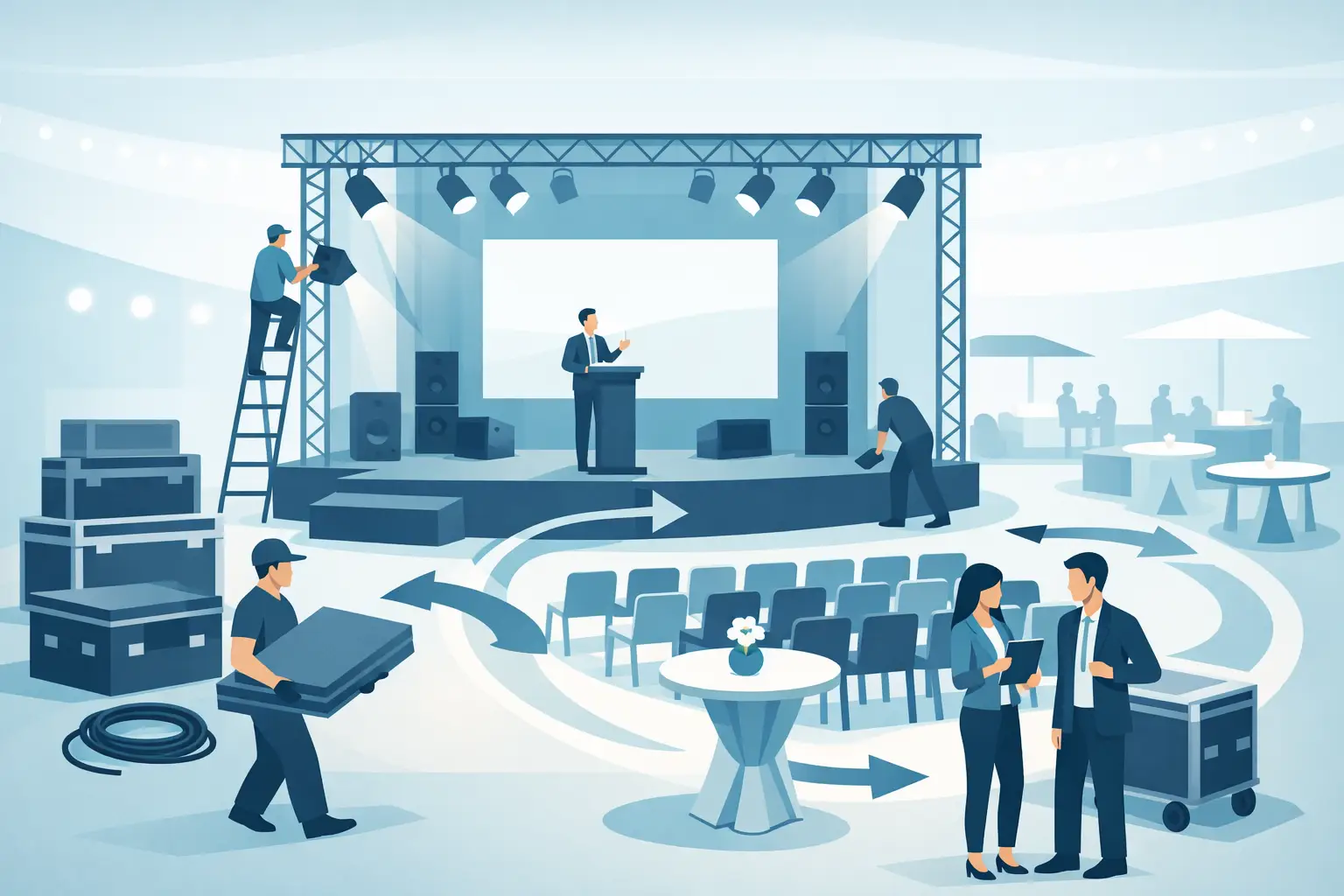
A stage can be a small platform for a birthday toast or the focal point of a full outdoor program. Either way, event staging rentals affect more than appearance. They determine whether guests can see and hear what matters, whether speakers feel prepared, and whether the event moves from one moment to the next without confusion.
For weddings, church services, business presentations, award ceremonies, community festivals, and performances, staging creates a clear place for the program to happen. The best setup is not always the largest one. It is the one that fits the room, the crowd, the schedule, and the people using it.
What Event Staging Rentals Need to Accomplish
A stage gives guests a visual cue: this is where the ceremony, announcement, performance, or presentation takes place. That clarity is valuable when a crowd is large, the venue is spread out, or several activities are happening in the same space.
The practical purpose matters just as much. A raised platform can improve sightlines over seated guests, define the front of a tent, create a presentation area in a banquet room, or give entertainers a professional place to work. For a corporate event, it may hold a lectern, projection screen, and presenters. For a wedding, it may frame a head table, band, or ceremony backdrop.
Staging is also modular, which makes it useful for events that do not fit a standard room layout. A long, shallow platform can work well behind a dance floor. A square setup may suit a small performance. A runway or T-shaped layout can make sense for a fashion show or recognition event. The right configuration depends on how the stage will be used, not simply how many guests are invited.
Start With the Program, Not the Platform Size
Before choosing dimensions, identify every person, item, and activity that needs to fit on the stage. A solo speaker with a microphone has very different needs from a five-piece band, a wedding party, or a panel discussion with chairs and a podium.
Ask what will physically be on the platform at the busiest point of the event. Include equipment that is easy to overlook, such as speakers, microphone stands, monitors, presentation tables, instruments, floral pieces, or a DJ booth. If a ceremony includes a couple, officiant, wedding party, musicians, and décor, a platform that looks generous on paper can become crowded quickly.
Guest sightlines should guide the layout too. In a smaller room, a low platform may be enough to give speakers presence without making the space feel divided. At an outdoor event or under a large tent, additional height may help guests toward the back see the program. Height is useful, but it should be balanced with the venue ceiling, tent clearance, backdrop placement, and the comfort of people stepping on and off stage.
It also helps to think about what happens immediately before and after the main moment. Will presenters wait at the side? Does a band need room to set up while guests arrive? Will the stage become a dance area later in the evening? A staging plan that accounts for transitions prevents rushed changes in front of an audience.
Choose Safe Access for Every User
A good stage is only as functional as the access to it. Steps may be appropriate for a simple setup with a few speakers, while wider stairs, handrails, or ramp access may be needed for an event with frequent entrances, children, older guests, or participants with mobility needs.
This is a detail worth addressing early. Adding access after the stage position has been finalized can affect the floor plan, seating arrangement, tent size, and traffic flow. It may also change where cables need to run and where guests naturally gather.
For public programs, accessibility and safe movement deserve particular attention. Discuss who will use the stage and any venue requirements with the rental provider before finalizing the layout. A practical event plan makes room for presenters to enter confidently, exit without crossing through equipment, and move safely during the program.
Account for the Venue and Ground Conditions
Indoor staging often comes down to room dimensions, ceiling height, flooring, exits, and load-in access. A hotel ballroom may have a defined stage wall but limited space for stairs. A church hall may need staging that can be installed without disrupting regular use of the room. A business meeting may require a compact platform that leaves clear paths to doors, food service, and restrooms.
Outdoor staging introduces more variables. The surface should be evaluated before equipment is selected or installed. Grass, packed dirt, pavers, concrete, and uneven ground each require a different level of planning. Drainage, sprinklers, slopes, and soft soil can all affect placement.
Weather is part of the decision as well. In Central Florida, heat, afternoon rain, and wind can change an outdoor event plan quickly. A stage may need to work alongside a tent, sidewalls, lighting, power distribution, and cable management. If the program cannot move indoors, it is wise to consider the rain plan before invitations go out, not on the morning of the event.
Build Staging Into the Full Event Layout
Staging rarely works as a stand-alone rental. Its location affects chairs, tables, dance floors, pipe and drape, lighting, audio, video, and catering service. Planning these items together helps avoid a setup that looks organized but functions poorly.
For example, a band stage needs room for sound equipment and power while keeping cords away from guest walkways. A wedding ceremony platform may need a backdrop or pipe and drape that creates a finished focal point in a large room. A presentation stage works best when screens are visible from most seats and the projector path is not blocked by décor or guests.
Lighting changes the result dramatically. Even a well-sized stage can disappear in a dim room or become difficult to photograph under harsh overhead lights. Basic stage lighting can direct attention to speakers and performers, while decorative lighting can tie the platform into the rest of the event design. The goal is not to overproduce every gathering. It is to make the program easy to see and comfortable to experience.
Ask the Right Questions Before Renting
The rental conversation goes more smoothly when the event details are ready. Have the event date, venue address, estimated guest count, stage purpose, setup time, and breakdown time available. Photos of the space and a rough floor plan can be especially helpful for nontraditional venues, backyards, parks, and waterfront locations.
It is also smart to confirm delivery access. Can a truck get close to the setup area? Are there stairs, gates, elevators, long walks, or narrow doorways? Is the venue available early enough for installation? These operational details affect labor, timing, and the overall feasibility of the plan.
If the event may change, say so early. Guest counts, entertainment needs, and venue layouts can shift during planning. A local rental partner that carries staging along with tents, seating, tables, lighting, audio-video equipment, and crowd-control items can help adjust the setup without forcing you to coordinate multiple vendors.
Paradise Event Rentals supports events throughout the East Coast of Central Florida with practical equipment planning, delivery, pickup, and setup support based on the needs of the occasion. Whether the event is a backyard celebration in Edgewater, a wedding near New Smyrna Beach, or an organized program in Daytona Beach, local knowledge can make logistics easier to manage.
Give the Stage Enough Time in the Schedule
Do not treat stage installation as a last-minute detail. The platform should be in place early enough for sound checks, lighting adjustments, décor placement, rehearsals, and a final walk-through. This is especially important when the stage supports a ceremony, performance, or presentation that starts at a fixed time.
Before guests arrive, stand in the audience area and look toward the stage. Check whether key people will be visible, whether the stairs are clear, whether equipment is placed safely, and whether the stage feels proportional to the room. That quick review often catches small issues while there is still time to correct them.
A well-planned stage does not need to call attention to itself. It should make the people and moments at the center of your event easier to see, hear, and remember.