Outdoor Event Design Trends for Florida Hosts
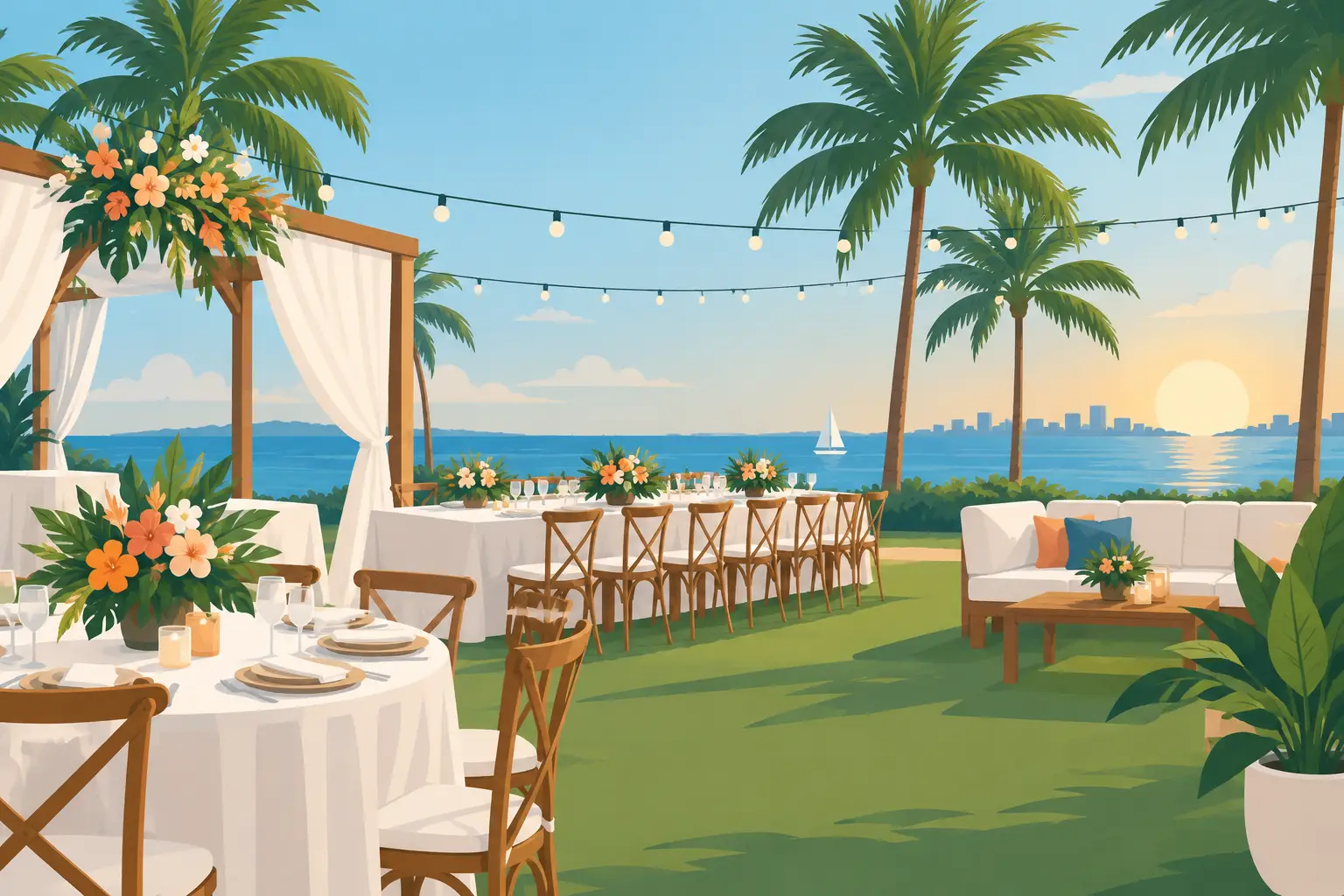
A Florida outdoor event can look effortless, but the best results come from making smart design choices before the first table is set. Current outdoor event design trends are less about following a single look and more about building welcoming spaces that hold up through heat, sun, wind, and changing guest counts. For weddings, family celebrations, church functions, and company events, comfort is becoming part of the design.
The strongest outdoor setups combine practical rental essentials with details that give guests a reason to stay, relax, and celebrate. A tent is not just weather coverage. Lighting is not just a finishing touch. Seating, layout, linens, staging, and serving areas all shape how an event feels from arrival through cleanup.
Outdoor Event Design Trends That Put Guests First
Lounge-style seating beyond the dinner table
Formal rows of chairs and a single dining area still have their place, especially for ceremonies and organized programs. But many hosts are adding separate places where guests can gather before, during, and after the main event. This may mean cocktail tables near the bar, grouped seating under a tent, or a shaded conversation area away from the music and food line.
The goal is not to fill a yard or venue with furniture. It is to give the event a natural flow. Guests should have a clear place to arrive, mingle, eat, watch a presentation, and take a break. For a wedding, that may include a lounge area during cocktail hour. For a reunion or birthday party, it may be a few tables set apart for older relatives who want a quieter spot to visit.
This approach works especially well for larger guest lists, but it does require planning. Too many furniture groupings can make a compact space feel crowded. Start with the activities that matter most, then build the layout around those needs.
Shade as a design feature
In Central Florida, shade is not optional for most daytime events. The trend is toward treating it as an intentional part of the event rather than an afterthought. Tents define the event footprint, create a visual focal point, and help protect seating, food, and guests from direct sun or a passing shower.
The right tent size depends on more than the number of chairs. Consider the space needed for tables, a buffet, bar service, dance floor, staging, gifts, catering access, and walkways. A tent that technically fits the guest count may still feel tight once those pieces are in place.
Tent placement matters just as much. A shaded area should be easy to find and close enough to the main activity that guests will use it. When possible, keep entrances clear, allow room for delivery access, and avoid placing food service where afternoon sun will be strongest. Sidewalls can add protection from wind and rain, though a fully enclosed setup may need additional airflow and lighting.
Layered lighting for later celebrations
Outdoor events often begin in daylight and continue after sunset. That makes lighting both a safety decision and a design decision. Popular setups use layers: practical lighting for paths and work areas, ambient lighting over guest tables, and focused lighting for a dance floor, stage, bar, or buffet.
String lighting remains a favorite because it brings warmth to tents, patios, and open gathering spaces. It is most effective when it supports the event layout instead of being added everywhere. A well-lit dining tent with a defined entrance and safe pathways feels polished without becoming overly bright.
For receptions, fundraisers, and programs with speakers, lighting should also support visibility. Guests need to see where they are walking, while presenters need enough light to be seen and heard. If the event includes audio-visual equipment, staging, or a dance floor, plan those elements together from the beginning rather than trying to fit them in after seating is arranged.
Softer color palettes with useful texture
Outdoor design is moving away from heavily themed decor and toward colors and textures that work with the setting. Neutral linens, soft greens, warm earth tones, dusty blues, and simple layered table settings are popular because they look good in natural light and can work across many types of events.
That does not mean every event needs to be beige. A milestone birthday may call for brighter color, while a school, church, or nonprofit gathering may need colors that match the organization. The practical choice is a base palette that works across rental pieces, then a few intentional accents in napkins, florals, signage, or lighting.
Texture helps an outdoor space feel finished without adding clutter. Linen choices, wood-toned tables, glassware, dinnerware, and simple table runners can create a more inviting look than disposable basics alone. For a casual cookout, that may not be worth the added cost. For a wedding dinner or client event, upgraded tabletop rentals can make a noticeable difference.
Flexible Layouts Matter More Than Fixed Floor Plans
One of the most useful trends is planning for change. Florida weather, late RSVPs, vendor timing, and last-minute program adjustments can affect an outdoor setup. Flexible event design gives the host room to respond without creating confusion for guests.
Use defined zones, but do not make them too rigid. A dance floor can also become a gathering area after a toast. A staging area can support a ceremony, announcements, awards, or live music. Cocktail tables can serve as overflow space before dinner and then become places for guests to set drinks while they visit.
For public, corporate, and community events, crowd flow deserves extra attention. Guests should be able to enter, check in, get refreshments, and move through the space without crossing a catering line or blocking an emergency route. Barricades, stanchions, pipe and drape, and clear table placement can help organize a larger event without making it feel overly controlled.
Weather-Ready Design Is Part of the Experience
A backup plan should not look like a backup plan. The most dependable outdoor events prepare for rain, wind, humidity, and temperature changes while still keeping the intended atmosphere intact.
A weather-ready rental plan often includes:
- Tents sized for key guest areas, not only emergency coverage
- Tent sidewalls or weighted equipment when conditions call for them
- Fans or airflow planning for enclosed or crowded areas
- Protected spaces for food, gifts, sound equipment, and decor
- Clear walkways that stay usable if the ground becomes wet
Not every event needs every item. A short backyard brunch has different needs than a 200-person evening reception. The key is to decide what must stay dry, cool, powered, visible, and accessible. That keeps weather planning tied to the actual event rather than a generic checklist.
Food and Beverage Areas Are Becoming Social Centers
The buffet table used to be something guests visited once or twice. Now, food and beverage stations are often designed as active parts of the event. A bar, beverage station, dessert table, or coffee setup can create a natural meeting point and spread guests across the space.
Give these areas enough room to work. A cramped buffet line makes even a well-designed event feel stressful. Place beverage service away from food lines when possible, and leave open space for guests to step aside after being served. For formal events, coordinated dinnerware, flatware, glassware, and linens can make service feel more intentional while keeping tables easier to manage.
For events with caterers, ask early about table sizes, serving needs, power requirements, and access routes. Those details affect tent placement and guest seating. They are much easier to solve before delivery day.
Choose Trends That Fit the Event, Not Just the Photos
The best outdoor event designs feel natural for the people attending. A beachside wedding may benefit from relaxed seating, soft lighting, and weather coverage. A church picnic may need dependable seating, serving tables, and a protected stage. A business event may need a clean registration area, clear crowd flow, and reliable audio support.
Paradise Event Rentals helps Central Florida hosts bring those pieces together, from tents and tables to lighting, staging, bars, linens, and catering supplies. Using one rental partner for core event needs can simplify delivery timing, layout planning, and last-minute adjustments.
Start with the guest experience you want to create, then choose the rentals that make it possible. When shade, seating, service, and weather planning are handled well, the decor has room to do what it should: make the occasion feel special.