Formal Dinner Linens That Make Tables Feel Finished
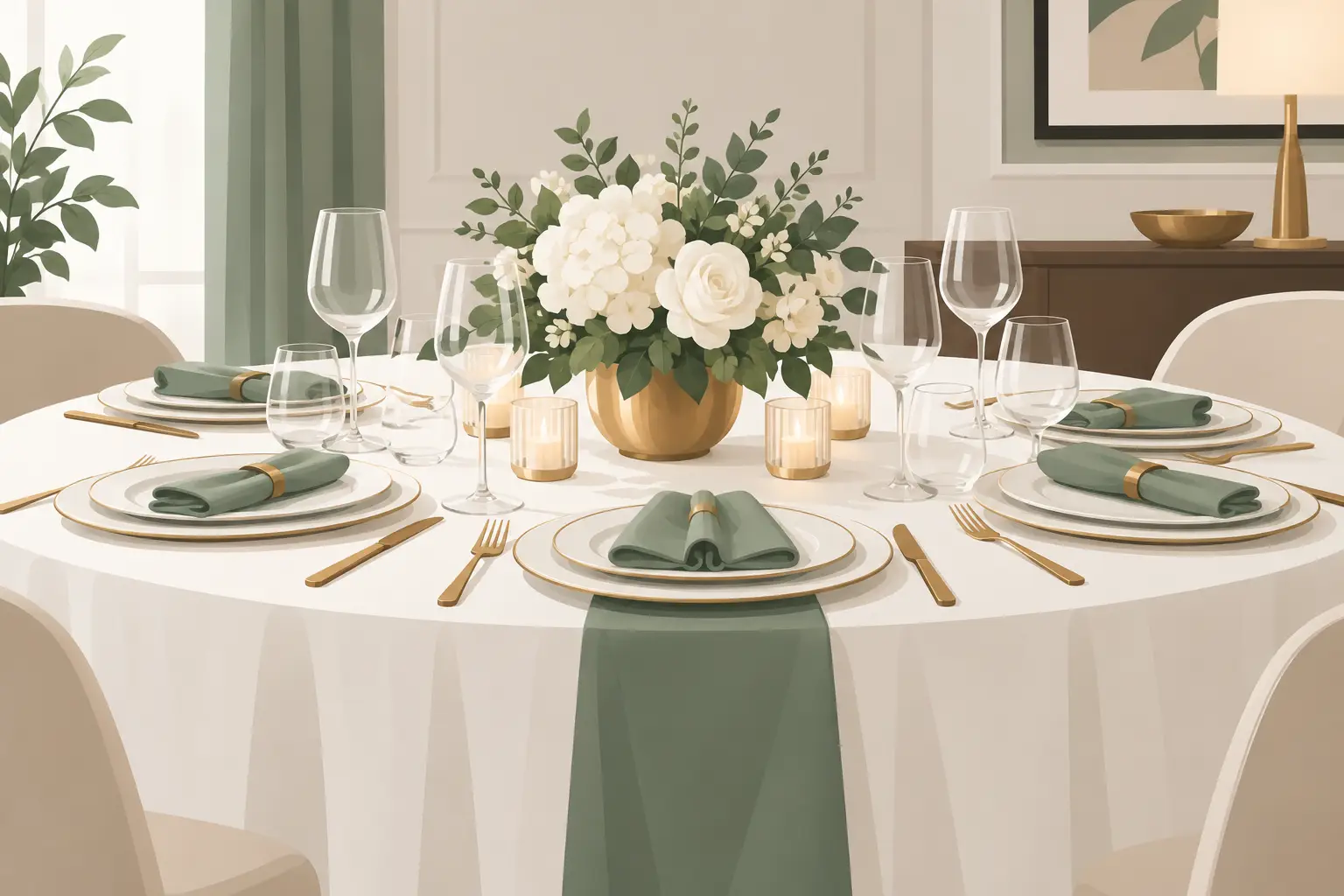
A formal meal can have excellent food, a beautiful venue, and carefully chosen place settings, yet still feel unfinished when the tables are bare or covered in the wrong cloth. Formal dinner linens set the visual foundation for the room. They soften folding tables, frame dinnerware and glassware, and give guests an immediate sense that the gathering was planned with care.
For weddings, nonprofit galas, church banquets, corporate dinners, and milestone celebrations, the right linens do more than add color. They help the event look organized, protect rental tables, support the menu and décor, and make photos feel more polished. The goal is not to choose the most elaborate fabric available. It is to choose linens that fit the table, the venue, and the kind of evening you want guests to remember.
Start With the Tables, Not the Color
Color is often the first decision hosts want to make, but table shape and size should come first. A linen that looks perfect on a sample table can look too short, too tight, or uneven once it is placed on the actual tables used for dinner. Before selecting anything, confirm the number of tables, their dimensions, and whether guests will be seated at round, rectangular, square, cocktail, or specialty tables.
For a formal seated dinner, floor-length linens are usually the cleanest choice. They hide table legs, storage beneath the table, and the practical details that do not need to be part of the design. This is especially useful at venues with mixed flooring, outdoor tent events, or banquet spaces where folding tables are being used.
A standard 60-inch round table generally needs a 120-inch round linen for a full drop to the floor. An 8-foot rectangular banquet table commonly uses a 90-by-156-inch linen for a similar finish. Exact sizing can vary with table height and the look you prefer, so it is worth confirming measurements rather than estimating. A few inches can make the difference between an intentional drape and a cloth that catches on guests’ knees or shows table legs.
If the event is more relaxed, a shorter drop can be appropriate. For example, a daytime luncheon, family anniversary meal, or casual business gathering may look great with linens that fall halfway down the table. The formality of the menu, venue, and dress code should guide that decision.
Choose Formal Dinner Linens for the Setting
The best linen color is not always the one that looks strongest on its own. It needs to work with the room’s lighting, chair color, dinnerware, florals, signage, and table décor. A bright white cloth can feel crisp and classic under soft indoor lighting, but it may appear stark beside ivory flowers or cream dinnerware. Ivory, champagne, and soft beige can create warmth, especially for outdoor receptions and coastal Central Florida venues.
For evening events, deeper shades often bring more visual weight. Navy, black, burgundy, emerald, and charcoal can make centerpieces and glassware stand out while helping a large room feel more intimate. Dark linens can also be practical for dinners with red sauces, barbecue, or high-traffic buffet service. On the other hand, dark cloths can absorb light in a dim space, so they may need brighter candles, uplighting, or lighter napkins to keep the tables from disappearing.
Patterned linens can be effective, but they require restraint. A subtle textured fabric, damask pattern, or tonal overlay gives a head table or sweetheart table distinction without competing with place settings. If the room already includes bold florals, colorful chargers, or printed menus, solid linens usually create the better balance. Too many competing patterns can make a formal table feel busy instead of finished.
Use Layers Where Guests Will Notice Them Most
Not every table needs the same level of detail. Guest dining tables typically need a dependable base linen and coordinated napkins. The head table, cake table, gift table, welcome table, bar, and buffet can receive additional layers where they will be photographed or seen first.
A base linen creates coverage and color. An overlay adds contrast, texture, or a second color on top. A runner gives the center of a rectangular table definition without covering the full base cloth. These elements can work together, but they do not all need to appear at every table. Using specialty layers only on focal areas is often a smarter use of the budget than adding them everywhere.
Napkins deserve the same attention. They are part of every guest’s place setting, so a well-chosen napkin can carry the event color through the room even when tablecloths stay neutral. A folded napkin placed on the plate feels classic; a napkin wrapped around flatware is efficient for buffet service; and a simple napkin ring can add formality without requiring complicated styling.
For a plated dinner, allow enough space for chargers, plates, glassware, flatware, menu cards, and centerpieces. Oversized centerpieces may look impressive, but they can leave guests with nowhere to place a bread plate or water glass. The linen should support the setting, not force the setting to compete for space.
Plan for Food Service and Event Flow
Formal dining tables are only one part of the linen plan. Buffet tables, beverage stations, dessert displays, registration tables, and bars need coordinated coverage as well. These service areas are often in high-traffic locations, making both appearance and function important.
A buffet line benefits from floor-length linens because they conceal backup supplies, serving equipment, and food-service items stored below. Consider using a different overlay or runner to distinguish the food area from guest tables. For a bar, a dark base linen can help hide spills, while a branded or accent-color runner can make the station easier to find.
Outdoor events require another layer of planning. Wind can lift lightweight runners and napkins, while grass, sand, and moisture can affect how the tables sit. For tented dinners, choose linens with enough weight and length to hang neatly, and leave room in the setup schedule for table adjustments after the tent, lighting, and chairs are in place. If rain is possible, a covered service path and a clear plan for protecting clean linens before setup can prevent unnecessary stress.
Build a Rental Order That Covers the Details
Rental linens simplify formal events because you can select the sizes and colors needed without buying, storing, pressing, or laundering dozens of cloths afterward. They also make it easier to coordinate tables, chairs, dinnerware, glassware, flatware, and catering supplies through one event partner.
When preparing a linen request, have your guest count, table count, table sizes, seating layout, color direction, and service style ready. It also helps to identify which tables are guest tables and which are specialty tables. A 20-table dinner has different needs than a 20-table dinner with a head table, buffet, cake display, bar, registration station, and dessert service.
Order a few extra napkins when possible. Guests may need replacements, and catering teams often appreciate having a small backup supply for unexpected spills or last-minute place settings. For large or high-stakes events, confirm delivery timing, setup responsibilities, and pickup details early. A good plan accounts for the last-minute changes that can happen when guest counts shift or a venue changes the room layout.
Paradise Event Rentals can help Central Florida hosts coordinate linens with tables, chairs, place settings, and other event essentials, making it easier to keep the order organized from delivery through pickup.
A Finished Table Should Feel Effortless
Guests may not know the difference between a 90-by-132-inch banquet linen and a floor-length alternative, but they will notice when the room feels cared for. Clean lines, coordinated colors, and properly sized linens let the food, conversation, and celebration take center stage.
Choose the level of formality that fits your event, then give yourself enough time to confirm the practical details. When the tables are covered well, the rest of the room has a much easier time coming together.