Outdoor Wedding Rental Planning Guide
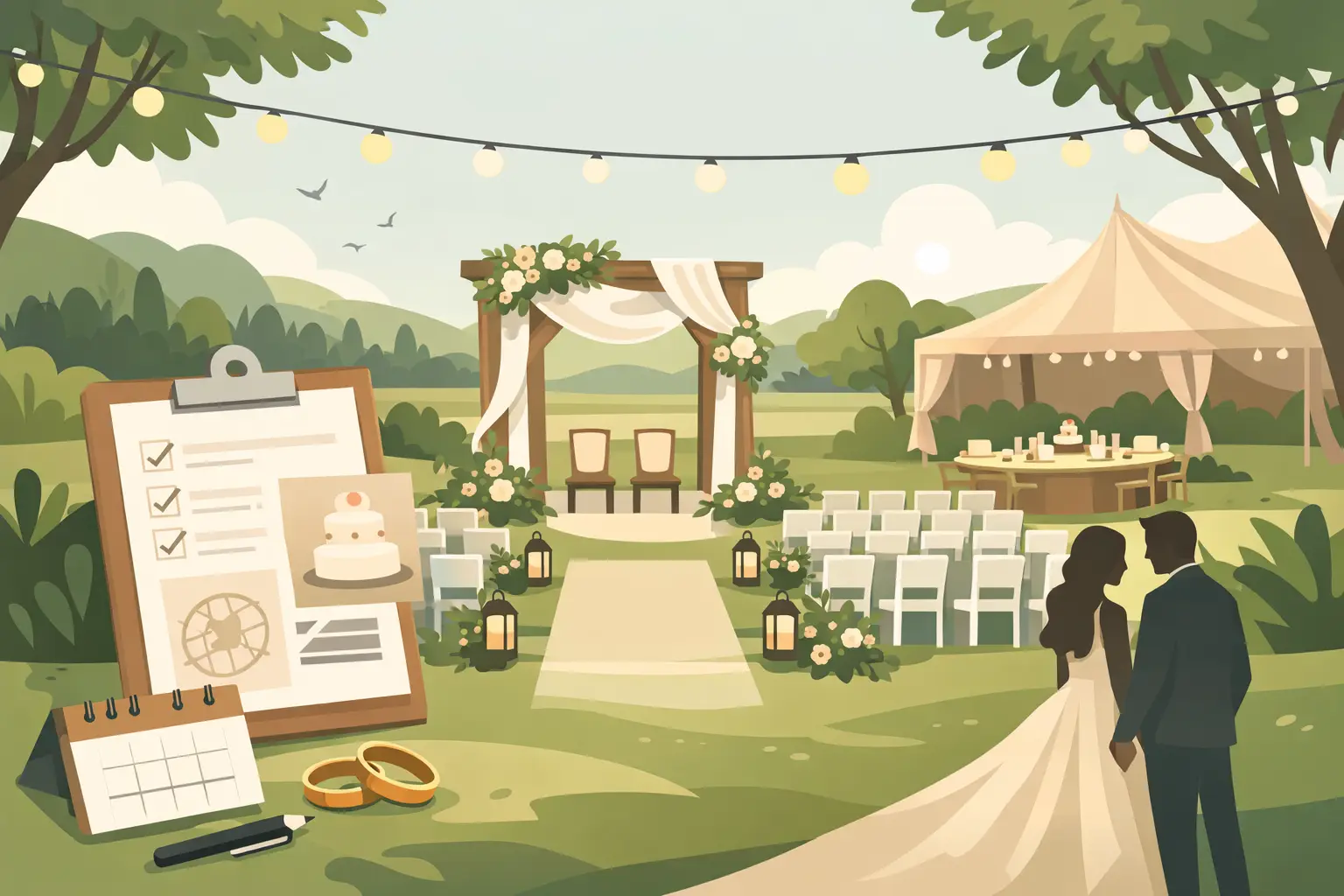
A beautiful outdoor wedding can turn stressful fast when the basics are missing. The right outdoor wedding rental planning guide is not about picking pretty items one by one – it is about building a setup that works for your guest count, weather, layout, and timeline from the start.
In Central Florida, that matters even more. A waterfront ceremony in New Smyrna Beach, a backyard reception in Port Orange, or a church celebration in Edgewater all come with different space, surface, and weather conditions. Rentals need to do more than look good. They need to support comfort, flow, food service, and a realistic backup plan.
What an outdoor wedding rental planning guide should cover
The biggest mistake couples make is treating rentals like the final step. In reality, rentals shape the event footprint early. Your tent size affects table count. Your table layout affects linen quantities. Your dance floor placement affects power, lighting, and traffic flow. Once those pieces are set, everything else gets easier.
A solid outdoor wedding rental planning guide starts with four basics: guest count, venue conditions, event schedule, and service style. If your guest count is still moving, use your best realistic range instead of waiting for perfect numbers. If the venue is private property, confirm surface types, access points, and available power before selecting larger items. If dinner is buffet instead of plated, that changes table needs, catering support, and guest movement.
That early planning also helps avoid over-ordering. Some couples assume more rentals always mean better coverage, but too many tables can crowd a lawn and too much furniture can make a reception feel tight. Outdoor events usually work best when every rented item has a clear purpose.
Start with the structure first
For many weddings, the tent is the decision that sets the tone for the whole layout. Even if you hope for clear skies, a tent can provide shade, define the event space, and give vendors a more workable setup. In Florida, it is often less about preparing for a full washout and more about reducing heat, glare, and pop-up weather issues.
Tent sizing depends on more than guest count. You also need to think about whether the tent will cover dining only or include a dance floor, bar, DJ area, buffet, cake table, and lounge space. A ceremony-only setup has very different needs from a full ceremony-and-reception footprint.
It also depends on the site. Grass, sand, pavers, and uneven backyard surfaces can affect placement and anchoring. Access matters too. A perfect tent on paper does not help if trucks and setup crews cannot reach the install area easily. This is where working with a local, full-service rental partner makes a real difference, because practical site knowledge often prevents the issues that photos and measurements miss.
Tables and chairs are about flow, not just seating
Guests notice comfort quickly. If seating feels cramped, if tables are too large for the space, or if chairs sink into soft ground, the event feels harder than it should. Table and chair planning needs to balance guest experience with service flow.
Round tables often create a classic reception look and encourage conversation, but they take up more room. Rectangular tables can be more efficient in tighter footprints and may suit family-style seating better. Sweetheart tables, cake tables, gift tables, and cocktail tables should be planned alongside guest seating, not added at the last minute.
Chair choice matters visually, but it also matters practically. For a short ceremony on a level surface, many chair styles work well. For longer events or mixed terrain, stability and comfort become more important. If the ceremony and reception are in separate areas, decide early whether chairs will be moved or if each space needs its own setup. That choice affects labor, timing, and quantity.
Linens, dinnerware, and bar rentals make the event feel finished
Outdoor weddings can lean casual or formal, but either way, the tables should look intentional. Linens bring consistency to the space and help tie together color choices without adding clutter. They also hide less-than-perfect tables and create a cleaner presentation for catering.
This is one of those areas where couples sometimes under-plan because it seems cosmetic. It is not. Linen sizes need to match table sizes exactly. Specialty tables need their own covers. Bars, buffet stations, and cake displays often need linens too. If a breeze is likely, ask about fit and setup so tables stay neat throughout the event.
Dinnerware, flatware, and glassware should match the menu and service style. A plated dinner needs a different count and pacing than buffet service. If your caterer is serving multiple beverages, glassware quantities can increase quickly. It is smart to think in terms of full service needs, not just seat-by-seat counts.
Bar rentals deserve the same attention. A well-placed bar helps keep traffic moving and can reduce long lines in the middle of the reception. Depending on guest count, one bar may be enough – or it may not. Placement should support both service efficiency and the overall layout.
Lighting, dance floors, and staging matter more outdoors
Once the sun starts dropping, an outdoor wedding changes fast. Areas that looked bright during setup can become hard to navigate after dark. Lighting is not just for mood. It supports safety, visibility, and pacing.
Pathways, dining areas, buffet lines, bar service, and restrooms all need enough light to function comfortably. Decorative lighting can help create atmosphere, but practical coverage should come first. If the event includes speeches, a band, or a DJ, power access and equipment placement need to be settled before the event day.
Dance floors are another item couples sometimes debate, especially on grass. It can be tempting to skip one, but that depends on the shoe choices, ground conditions, and the style of reception you want. A dance floor gives guests a clear place to gather and creates a more stable surface for dancing. On lawns and uneven ground, it often improves the experience more than couples expect.
If your wedding includes toasts, live entertainment, or special presentations, staging may also be worth considering. It does not have to be large to be useful. Even a modest stage can improve visibility and help key moments feel organized.
Build a weather backup plan into the rental plan
Every outdoor wedding needs a weather plan, even when the forecast looks good. That does not mean assuming the worst. It means knowing what changes can be made quickly if conditions shift.
Rain is the obvious concern, but heat, wind, and wet ground are just as important. A backup plan could mean tent coverage, sidewall options, adjusted seating layouts, or moving key service areas under cover. It could also mean changing the ceremony time slightly to improve guest comfort.
The best approach is to make backup decisions before the final week. Last-minute changes are sometimes unavoidable, but they are easier to manage when the main rental categories are already coordinated. Responsive support matters here. If your guest count changes, if your layout needs to shift, or if the weather starts looking uncertain, you want a rental team that can help adjust the plan without turning a stressful week into a scramble.
Timing, delivery, and setup are part of the plan
Rentals are not just products. They are logistics. Delivery windows, setup timing, and pickup access all affect how smooth the wedding day feels.
At outdoor sites, setup often takes longer than couples expect. Crews may need extra time for tent installation, floor leveling, layout adjustments, or multiple drop zones across the property. If other vendors are arriving around the same time, the site can get crowded quickly.
That is why it helps to work backwards from the ceremony time. Ask when the site is available, how much setup is required, and whether any items need to be installed a day early. Pickup matters too, especially if the venue has tight move-out rules or limited access after the event ends.
For many couples, the easiest path is consolidating as many rental categories as possible with one provider. Tents, tables, chairs, linens, lighting, bars, dance floors, and catering support all affect one another. Keeping them together usually means fewer gaps, fewer handoff issues, and a clearer plan overall. That is one reason many local couples across New Smyrna Beach, Edgewater, Oak Hill, Port Orange, and Daytona Beach choose a full-service company like Paradise Event Rentals.
The best rental plan is the one that fits your site and your priorities
Not every outdoor wedding needs every rental category. A small backyard reception may need only a tent, seating, linens, and a few service tables. A larger all-day wedding may need power support, staging, crowd flow planning, multiple dining zones, and expanded bar service. The right choice depends on your space, your guest experience goals, and what will make the day easier to manage.
If you are not sure where to start, start with the essentials that affect comfort and function first. Cover, seating, tables, lighting, and food service support usually matter more than decorative extras. Once those are handled, the rest of the event becomes much easier to shape.
A good outdoor wedding setup should feel easy to your guests, even though a lot is happening behind the scenes. When the rentals are planned well, people remember the celebration – not the logistics.