Guide to Event Rental Delivery That Works
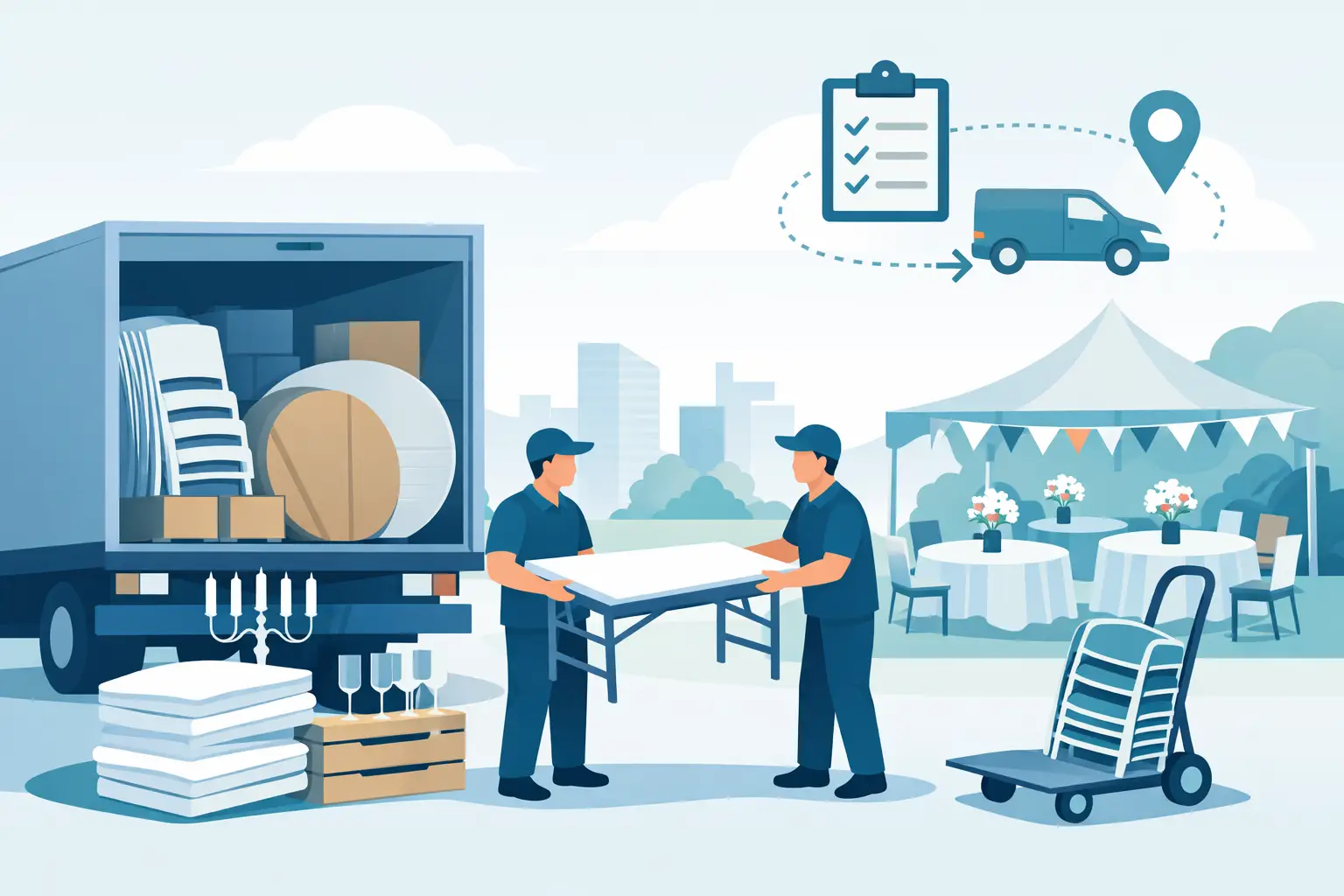
A delivery window looks simple on paper until a truck arrives at a locked gate, the setup area is still occupied, or the host realizes the backyard slope changes everything. That is why a solid guide to event rental delivery matters. Good delivery planning keeps your event on schedule, protects the rental equipment, and gives you fewer problems to solve on the day people are supposed to be enjoying themselves.
For many customers, delivery feels like the last step. In practice, it affects almost every decision that comes before it. The size of the tent, the quantity of chairs, the route into the venue, the timing of vendors, and even whether glassware should arrive early or later all connect back to delivery logistics. If you get that part right, the rest of the event usually runs much more smoothly.
What event rental delivery really includes
Event rental delivery is more than dropping items at an address. Depending on the event, it can include transport, unloading, placement, setup coordination, and later pickup. Some items are simple to deliver and stage, like stacked chairs or boxed linens. Others take planning, labor, and site awareness, like tents, dance floors, staging, pipe and drape, lighting, or catering support equipment.
That difference matters because not every order should be treated the same way. A family birthday party with tables and linens has very different delivery needs than a waterfront wedding with tenting, power considerations, and a narrow load-in path. Churches, nonprofits, and corporate organizers often have another layer to manage – building access, internal contacts, or shared use spaces that affect timing.
A good rental partner will ask questions early because delivery is where small details become real costs, delays, or workarounds. That is not overcomplicating the process. It is how experienced providers avoid problems before the truck is on the road.
A practical guide to event rental delivery timing
Timing is one of the biggest areas where expectations and reality can drift apart. Customers often think in terms of event start time. Rental teams have to think in terms of installation time, site readiness, traffic, crew scheduling, and pickup flow after the event ends.
For straightforward orders, delivery may be simple enough to happen within a standard window. For larger or more technical events, earlier delivery is often the safer choice. Tents, staging, lighting, and larger seating layouts usually need breathing room. If setup starts too close to guest arrival, every small delay becomes a major issue.
Pickup timing deserves the same attention. Some customers want everything removed immediately after the event, while others assume pickup will happen the next morning. Neither is automatically right. It depends on venue rules, noise limits, late-night access, crew availability, and what was rented. If your event ends at 11 p.m. on a beachside property or busy community site, immediate breakdown may not be the most practical option.
The best approach is to confirm both delivery and pickup timing early, then revisit it if your event schedule changes. That matters even more for weddings, public events, and multi-vendor setups where one timeline shift can affect several service partners.
Site access can make or break delivery
One of the most common delivery problems has nothing to do with the rental items themselves. It is access. A truck needs a clear route, a safe unloading area, and enough information to reach the setup location without surprises.
Private homes can be tricky because driveways, gates, lawn conditions, and backyard entry points vary so much. Venues can be just as complicated if they have loading zones, service entrances, elevator restrictions, or limited setup hours. Public and community spaces often add permit or access requirements that should be confirmed ahead of time.
This is where a detailed conversation saves time. Let your rental provider know if there are stairs, soft ground, long walking distances, tight turns, or restricted parking. Mention if another vendor will already be occupying the setup space. If a property manager or church administrator controls access, make sure the right person will be available when the crew arrives.
These details may seem minor, but they affect labor, equipment handling, and setup speed. A delivery that takes ten minutes at one site can take an hour at another because the path is longer, the surface is uneven, or the crew has to wait for entry.
The setup area should be ready before the truck arrives
Customers often focus on the rental order and overlook the condition of the actual setup space. That is understandable, especially when there are food decisions, guest counts, and decorations to manage. But delivery goes much better when the site is truly ready.
That means clearing vehicles from the load-in path, removing obstacles from the event area, and confirming dimensions before the crew starts placing equipment. If a tent is being installed, the surface and surrounding clearance matter. If tables and chairs are being arranged indoors, the floor plan should be settled ahead of time. If catering rentals are part of the order, there should be a clear destination for them rather than a general instruction to leave them somewhere in the kitchen.
Weather is another factor. In Central Florida, rain, heat, and soft ground can change conditions fast. A yard that looked firm a few days ago may not handle the same setup the morning after a storm. That does not always mean the event is in trouble, but it can mean the crew needs to adjust placement or installation methods.
Why order accuracy matters for delivery day
A strong guide to event rental delivery has to include order review, because delivery problems often start with an incomplete or outdated order. Guest counts change. Floor plans shift. Someone adds a bar, removes a few cocktail tables, or realizes too late that they also need serving pieces and glassware.
Last-minute changes are common in event planning, and a responsive rental company can often help. Still, there is a difference between a manageable adjustment and a same-day surprise that affects truck space, labor, or timing. The more complete your order is before delivery day, the easier it is to keep everything efficient.
It helps to review your rental list with a practical mindset. Do you have enough seating for the actual guest count? Are linens sized for the tables you ordered? Will your layout leave enough aisle space? Are your dinnerware and flatware counts aligned with the meal service? If your event includes speeches, music, or presentations, have you thought through audio and staging needs early enough to coordinate delivery properly?
This is where working with one full-service provider can reduce friction. When tents, seating, linens, bar pieces, staging, and catering support are coming from the same place, coordination is usually simpler and the risk of timing gaps is lower.
Communication on delivery day should be simple and direct
The best delivery plans still need one thing on event day – a reliable point of contact. Someone should be available to answer the phone, direct placement questions, and approve any small on-site adjustments. That person does not need to micromanage the crew, but they do need to be reachable.
This is especially important for larger events or shared spaces. At a wedding venue, the planner may be the right contact. At a church event, it could be a facilities lead. For a backyard celebration, it may be the host or a family member who knows the layout decisions. Problems grow when the delivery team arrives and no one can confirm where key items belong.
Direct communication also helps when the unexpected happens. Traffic, weather, venue delays, and access issues can affect even well-planned events. What matters most is how quickly those issues are handled. A responsive local rental partner can usually adapt faster because the team knows the area, understands common venue conditions, and can communicate practical options without turning a small issue into a bigger one.
Pickup should be planned with the same care as delivery
Pickup gets less attention, but it affects your closeout just as much. Customers should know what condition items should be left in, what needs to be gathered in one place, and whether breakdown is included for certain equipment.
Not every item requires the same preparation. Linens may need to be bagged separately. Dinnerware and glassware may need to be scraped or consolidated according to the rental company’s instructions. Larger installations such as tents, staging, or dance floors typically require a coordinated removal process and a clear work area.
If your venue has a hard cutoff for access after the event, mention that before delivery day. If pickup has to happen the next morning, make sure the site will still be secure. These details help avoid rushed decisions at the end of a long event.
Delivery is one of those event details people barely notice when it goes right, and talk about immediately when it does not. The good news is that most problems are preventable with early planning, accurate information, and a rental team that treats logistics as part of the service, not an afterthought. If you want the event itself to feel easier, start by making delivery easier.